ACM approves maritime sector collaboration to accelerate development of sustainable vessels
The maritime sector has been given the opportunity to work more closely together to accelerate the development of more sustainable vessels. The Dutch Authority for Consumers & Markets (ACM) has concluded that an initiative by Stichting Nederland Maritiem Land (NML), as part of the Maritime Masterplan, complies with applicable competition rules.The initiative focuses on improving the way companies and organisations within the maritime industry share and reuse digital data. By making knowledge and information more accessible, the collaboration aims to speed up the development, construction and operation of vessels with a lower environmental impact.The programme includes the development of innovative ship technologies, including propulsion systems based on hydrogen, methanol and LNG combined with CO₂ capture. These solutions support the transition towards cleaner shipping and contribute to national and European climate objectives.
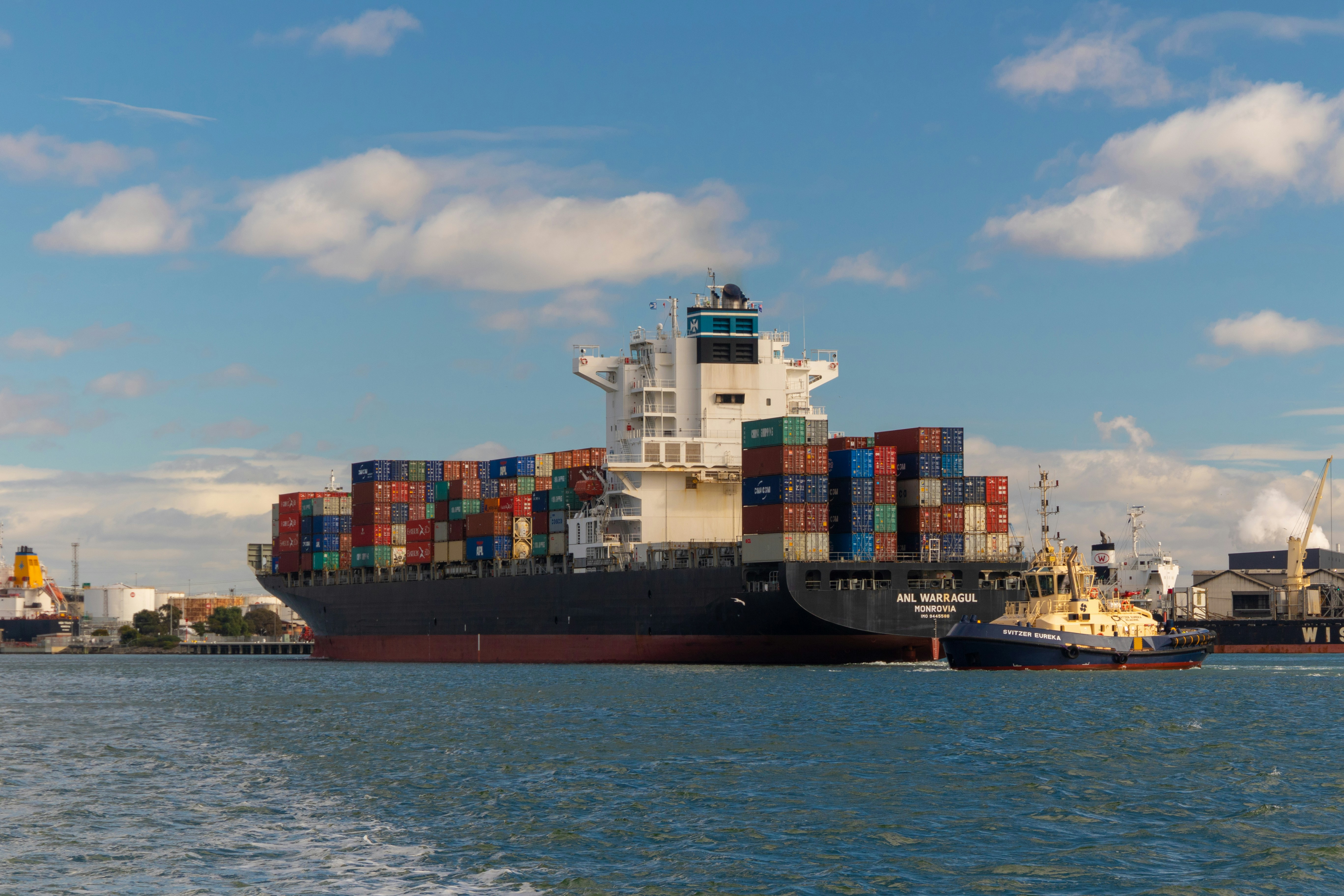
Data sharing as a driver for innovation
Within the maritime industry, different parties such as shipbuilders, suppliers and shipping companies currently often work with separate digital systems. As a result, sharing information efficiently can be challenging, and there is no common, secure approach for exchanging data across the sector.
NML aims to address this challenge by creating sector-wide agreements for the secure and efficient sharing and reuse of data throughout the entire lifecycle of a vessel. This includes every stage, from initial design and construction through to operation, maintenance and future upgrades.
Examples include developing common definitions for technical information, such as vessel dimensions, and introducing standardised data formats that can be used by different shipbuilders within their own IT environments. The specific agreements will be further developed during the next phase of the initiative.
ACM confirms collaboration fits within competition rules
The ACM assessed the initiative under its Policy Rule on Competition Oversight for Sustainability Agreements and found no concerns. According to the regulator, the collaboration can help accelerate the energy transition and support climate ambitions without unnecessarily restricting competition.
ACM chairman Martijn Snoep highlighted the importance of cooperation when addressing major societal challenges:
“Cooperation is sometimes necessary to address major societal challenges. The ACM provides considerable scope for initiatives that contribute to sustainability and a resilient society. If companies have questions about this, they can easily contact us. We are happy to provide guidance.”
Safeguards ensure fair participation
The ACM identified several conditions that ensure the collaboration remains within competition law requirements. Participation will be open to all relevant organisations and companies can choose whether or not to take part.
In addition, organisations will not be technically prevented from accessing shared data, and safeguards have been introduced to prevent the exchange of commercially sensitive information between competitors.
The process and outcomes will remain transparent, and the agreements will be based on the best available knowledge and expertise within the maritime sector.
The ACM does not expect the initiative to result in higher prices, reduced quality, limited innovation or the exclusion of market participants. Instead, by addressing a shared challenge that individual companies cannot easily solve on their own, the collaboration could lead to greater innovation, improved quality and more efficient processes.
Strengthening a resilient maritime industry
The Maritime Masterplan is not only focused on making shipping more sustainable but also contributes to strengthening the resilience of the Netherlands and Europe.
Developing vessels powered by alternative energy sources will help reduce dependence on fossil fuels. At the same time, secure data exchange supports the protection of national and European security interests.
The initiative can also help retain important maritime expertise, knowledge and production capacity within the Netherlands and Europe.
The ACM emphasises that competition rules allow significant room for collaborations that support both sustainability and societal resilience. The key requirement is that cooperation remains proportionate and does not unnecessarily restrict competition.